The Ultimate Travertine Guide: Everything You Need to Know Before You Buy, Install, or Maintain It

Why Travertine Remains a Timeless Natural Stone
Travertine has captivated designers and builders for centuries — and in 2025, it’s enjoying a well-deserved revival in Australian homes and commercial spaces. This natural stone flooring and surface material combines warmth, texture, and timelessness like few others can.
So, what is travertine and why are we seeing it everywhere again? In essence, travertine is a type of natural limestone known for its earthy tones and distinctive, porous texture. From pool decks in Perth to bathroom renovations in Sydney, travertine brings an effortless, organic luxury that complements our relaxed Australian lifestyle.
What You’ll Learn in This Guide
This travertine guide covers everything you need to know — from travertine's unique types to the best finishes, installation advice, and care tips. Whether you’re renovating your family home, specifying materials for a commercial project, or simply exploring your design options, this guide will help you make confident, informed decisions about this timeless natural stone.
Travertine’s Comeback in Modern Design
While marble continues to be a luxury staple, in 2025 there’s a clear shift toward warmer, textured natural stones or finishes. Travertine leads the way with its tactile surface and neutral palette that harmonises beautifully with the growing preference for sustainable, nature-inspired design.
Current Australian design trends highlight warm neutrals, aged finishes, and materials that age gracefully — all hallmarks of travertine. It’s especially popular in minimalist, rustic, and Mediterranean-inspired homes, blending seamlessly with light oak, brass, and handmade finishes.
Design professionals now view travertine as a cornerstone of sustainable luxury — not only because it lasts for decades but also because many quarries, including Australian suppliers, are moving toward more ethical extraction and water recycling practices.
Also Read:[Guide] What is Bluestone? | Types, Benefits, Applications, Installation & Maintenance
Understanding Travertine: The Stone Behind the Beauty
In geological terms, travertine sits between limestone and marble. While marble is denser and polished to a high sheen, travertine’s charm lies in its natural texture and soft matte finish.
This makes it perfect for both indoor and outdoor applications in Australia, where durability, cooling properties, and slip resistance matter just as much as visual appeal.
Global Sources and Quarries
Travertine is quarried globally, with Italy (Tivoli and Rapolano), Turkey (Denizli), Iran, Mexico, and the USA leading production. Australia also imports high-grade travertine for premium projects and some local finishing occurs.
Each origin offers subtle differences in colour, density, and pattern. For example, Italian travertine has long been prized for its classic light-beige tones, while Turkish and Iranian varieties offer greater variation including cooler greys, silver tones or more pronounced veining.
Expert Tip: When specifying travertine for Australian projects, it’s important to consider ethical sourcing. Many Australian distributors now prioritise environmental compliance, waste reduction, and water management at quarry sites. Checking supplier certifications and stone provenance helps ensure the material you choose aligns with both sustainability and performance goals.
Also Read:Ultimate Granite Guide: From Luxe Benchtops to Bulletproof Floors (Everything You Need to Know)
Travertine Characteristics & Unique Qualities

Travertine not only elevates the look of a space but also delivers functional advantages that make it a favourite among Australian designers, builders, and homeowners.
Physical Properties
- Composition & Hardness: Travertine ranks 3–4 on the Mohs scale — durable enough for heavy foot traffic yet soft enough for custom shaping.
- Porosity: Naturally porous texture gives aesthetic character but requires regular sealing to prevent stains and moisture absorption.
- Durability: When properly sealed, it becomes long-lasting, low-maintenance, and suitable for high-use areas like entryways and alfresco spaces.
- Thermal Properties: Naturally cool underfoot, making it ideal for Australian climates, especially patios, pool surrounds, and sun-exposed interiors.
- Acoustic Benefit: Provides mild sound absorption, helping reduce echoes in open-plan or high-ceilinged spaces.
Aesthetic Characteristics
- Unique Character: Each travertine slab is one of a kind, shaped by natural voids, banding, and veining formed through mineral layering.
- Pattern Variety: Visuals range from soft, cloud-like tones to bold, linear veins, depending on how the stone is cut.
- Colour Palette: Offers warm neutrals — ivory, beige, silver, walnut, and gold — suiting both modern and classic interiors.
- Light & Texture: Its organic surface gently diffuses light, adding warmth and authenticity to spaces.
- Design Use: Commonly used to balance hard materials like glass, steel, and concrete, adding natural softness and contrast.
Durability and Climate Performance
Travertine’s durability makes it well-suited to Australia’s diverse climates. It performs exceptionally in warm and temperate regions, where its natural cooling qualities and UV resistance shine.
When sealed and maintained, travertine can last decades with minimal wear. However, in freeze-thaw environments such as alpine regions, extra care is required — water infiltration in the pores can lead to cracking if not properly sealed.
Also Read:Limestone Ultimate Guide: Design Ideas, Costs & Care Tips
Types and Classifications of Travertine

Choosing the right type of travertine involves more than just colour — it’s about the cut, finish, and grade that best suit your project. Understanding these classifications ensures the stone performs beautifully in your chosen setting.
Travertine by Colour
Travertine’s natural hues are shaped by mineral content and quarry location. Each tone brings a different design personality:
- Ivory / Beige Travertine: The classic choice for timeless interiors. Works seamlessly with Hamptons, Mediterranean, and coastal styles popular in Australian homes.
- Silver / Grey Travertine: Cool-toned and contemporary, ideal for modern minimalism or industrial designs.
- Noce / Walnut Travertine: Warm and earthy with deep brown undertones — perfect for rustic or Tuscan-inspired spaces.
- Gold / Yellow Travertine: Radiant and luxurious, often used in feature walls or statement floors for warmth and grandeur.
- White Travertine: Minimalist, clean, and versatile — complements light-filled interiors and open spaces.
- Red & Pink Travertine: Rare and bold, suited for dramatic accents or artistic applications.
By Cut Orientation
Travertine’s appearance changes dramatically depending on how it’s cut from the block:
- Vein-Cut Travertine: Sliced along the grain, revealing linear, ribbon-like stripes. Offers a sophisticated, architectural look often used in wall cladding or feature panels.
- Cross-Cut Travertine: Cut across the grain, exposing soft, cloudy patterns. Ideal for flooring and surfaces where a more organic feel is desired.
Pro insight: In Australian interiors, cross-cut travertine tends to feel more relaxed and natural, while vein-cut is favoured for statement walls and vertical applications where precision and structure are key.
Filled vs Unfilled Travertine
Travertine naturally contains small holes and voids. These can be filled with resin or cement for a smoother, more polished finish, or left unfilled for a rustic appearance.
- Filled Travertine: Easier to clean, less porous, and suitable for interior flooring and walls.
- Unfilled Travertine: Retains its raw, natural texture — ideal for outdoor areas or decorative features where authenticity is desired.
Travertine Grades
Travertine is graded based on consistency, colour, and natural imperfections. While grading doesn’t affect structural performance, it influences visual quality and price.
- Commercial Grade: High variation and visible voids. Offers a rustic, character-filled look perfect for outdoor paving.
- Standard Grade: Balanced tone with moderate variation — the go-to choice for residential interiors.
- Premium Grade: Minimal imperfections, refined colour consistency, and a more uniform appearance suited to high-end architectural projects.
Travertine Formats and Products
Travertine is available in a variety of formats, each suited to different applications:
- Tiles: Typically 12–20 mm thick, perfect for interior floors and walls.
- Pavers: Thicker and more textured for outdoor use.
- Slabs: Used for benchtops, vanities, and large-format installations.
- Treads & Risers: For staircases and split-level transitions.
- Pool Coping: Rounded or bull-nosed edges designed for safety and comfort.
Common tile sizes include 300×300 mm, 600×400 mm, and modular French patterns. For outdoor paving, 30 mm pavers are typical for strength and slip resistance.
Also Read:[GUIDE] Biophilic Design: Nature-Inspired Architecture That Elevates Mood, Health & Sustainability
5 Travertine Finishes Explained: Texture, Shine, and Feel

Once you’ve selected the right type and colour of travertine, the next key decision is the finish. The surface treatment affects not only how the stone looks and feels but also how it performs in your environment.
1. Polished Travertine
Polished travertine has a glossy, mirror-like surface created by grinding and buffing the stone until it shines.
Best for: Living rooms, formal entryways, and feature walls where reflectivity enhances light and elegance.
Expert insight: In Australian homes, polished travertine works best in low-moisture areas or when paired with rugs and non-slip treatments. It’s not ideal for pool decks or bathrooms due to slip risk.
2. Honed Travertine
Honed travertine offers a smooth, matte finish — the most popular option for Australian interiors. It has a refined, modern look with low reflectivity, ideal for high-traffic areas and bathrooms.
Best for: Floors, walls, and bathrooms — especially when sealed properly to resist moisture.
Pro tip: For homes with underfloor heating, honed travertine distributes warmth evenly without feeling overly glossy or slippery.
3. Tumbled Travertine
Tumbled travertine is mechanically aged with gravel and sand to produce soft edges and a weathered texture. It feels natural underfoot and suits outdoor spaces beautifully.
Best for: Patios, pool surrounds, garden paths, and courtyards.
4. Brushed Travertine
Brushed travertine is created using wire brushes to develop a subtle, tactile surface. It offers more grip than honed finishes but retains a refined look suitable for both interior and exterior use.
Best for: Hallways, kitchens, and outdoor entertaining areas.
5. Specialty Finishes
For those seeking something truly unique, specialty finishes can add personality and texture to your project:
- Chiselled Edge: Handcrafted, irregular edges give an antique, hand-finished charm — perfect for rustic or provincial designs.
- Antiqued / Leathered Finish: Soft, slightly textured surfaces with a satin sheen — elegant yet tactile.
- Custom Finishes: Many Australian stone suppliers now offer bespoke finishes for designers wanting a one-of-a-kind texture or tone.
Expert note: Always discuss your intended use and sealing needs with your stone supplier before finalising a finish. The right combination of texture, sheen, and protection will ensure your travertine looks stunning for decades.
Also Read:[Guide] Calming Colors in Interior Design: Expert Design Tips to Create Peaceful, Stylish Homes
10 Travertine Applications: Where and How to Use It

Understanding where and how to use travertine ensures longevity, safety, and aesthetic harmony.
5 Travertine Indoor Applications
1. Flooring
Travertine’s durability and thermal mass make it ideal for Australian homes, especially those with underfloor heating or open-plan living areas.
Popular layouts include:
- French pattern: A classic combination of rectangular and square tiles
- Herringbone: Adds movement and interest
- Brick bond: A timeless, casual look
2. Bathrooms & Showers
Travertine bathrooms evoke a spa-like atmosphere. The stone’s neutral tones and texture create a calming, organic environment that complements timber vanities and brushed brass fittings.
Ensure all surfaces are sealed with a penetrating stone sealer, and choose a tumbled or honed finish for safety under wet conditions.
3. Kitchens
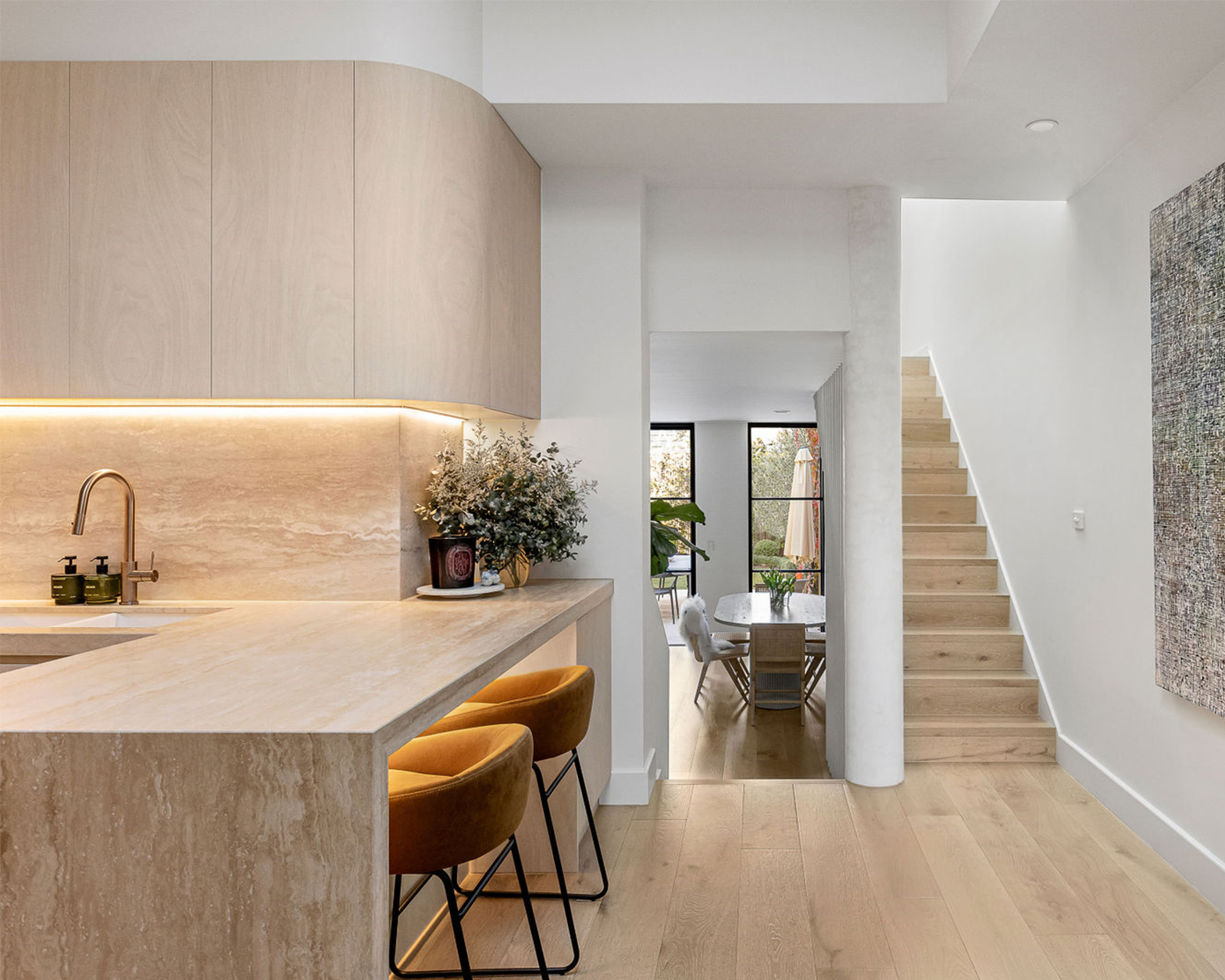
Travertine adds understated sophistication to kitchen benchtops, splashbacks, and floors. Pair with natural timbers or brushed metals for a balanced, textural palette.
Considerations:
- Sealing is crucial to prevent etching from acids (like citrus).
- Use cutting boards and coasters to maintain the stone’s integrity.
4. Accent & Feature Walls
Travertine wall cladding introduces natural texture and warmth, especially in living rooms or entryways. Vein-cut slabs create striking linear patterns, while cross-cut tiles offer soft, cloud-like tones.
Pro insight: Consider travertine lightingby combining subtle LED uplighting to highlight the stone’s veining and surface movement.
5. Fireplaces & Staircases
Travertine’s heat resistance makes it perfect for fireplaces and hearths. It can also be used for stair treads, risers, and wall linings, adding timeless elegance and a unified material flow.
4 Travertine Outdoor Applications
1. Patios & Courtyards
Travertine’s ability to stay cool underfoot and resist UV damage makes it ideal for patios, pergolas, and courtyards. The natural texture of tumbled or brushed finishes ensures excellent grip and a relaxed Mediterranean look that suits Australian outdoor lifestyles.
2. Pool Decks & Coping
Travertine pool decks are among the most popular applications in Australia. The stone remains cool even in direct sun — a major advantage in warmer regions.
3. Driveways & Walkways
For driveways and walkways, thicker pavers (30 mm or more) provide durability and load strength. Travertine’s natural variations hide dirt well and blend effortlessly with Australian landscaping materials like sandstone, gravel, and native plants.
4. Outdoor Kitchens & Facades
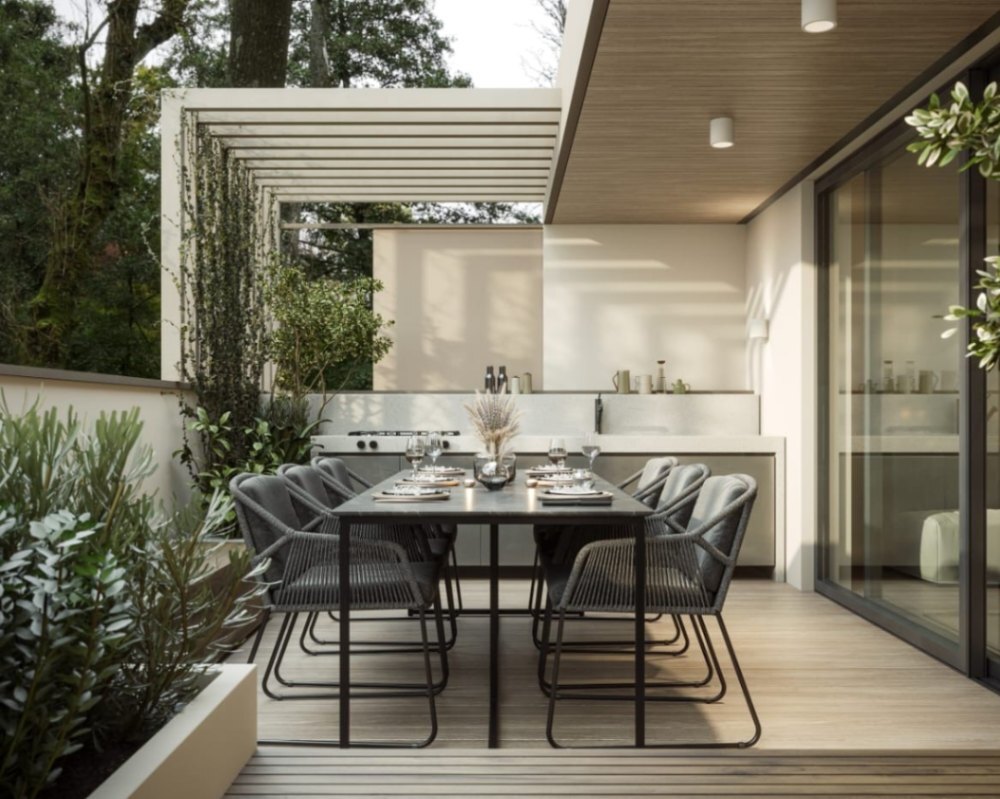
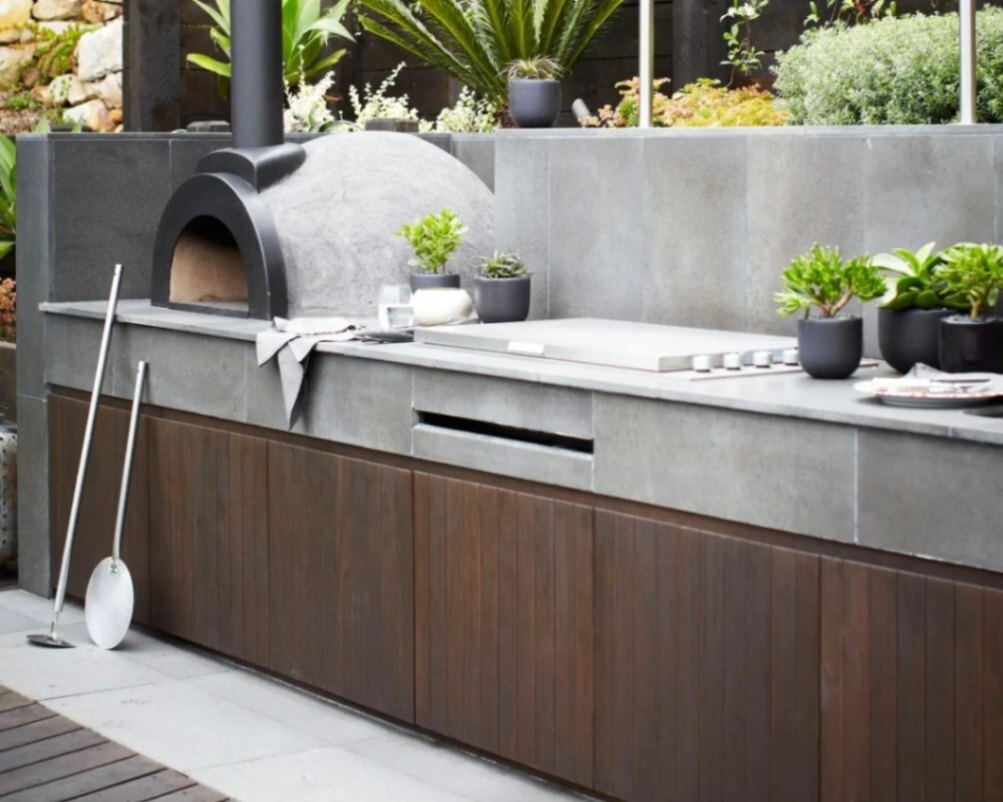
Using travertine for outdoor kitchens, BBQ areas, and facades creates a seamless transition between indoor and outdoor living — a hallmark of Australian design. Pair with stainless steel, timber battens, or concrete for contrast.
Commercial & Decorative Uses
Australian hospitality designers and architects increasingly specify travertine for hotel lobbies, resort pool areas, restaurants, and retail fit-outs — anywhere natural elegance meets durability.
Travertine furniture, benchtops, and homewares have also gained traction in 2025’s design scene, with Australian artisans crafting travertine tables, trays, and lighting bases that celebrate the stone’s natural imperfections.
Also Read:[GUIDE] Dopamine Decor & Interior Design Tips to Boost Your Mood
Sealing, Cleaning, and Maintaining Travertine

Proper care protects travertine’s aesthetic and structural integrity for decades.
Why Travertine Needs Sealing
Travertine is porous and prone to stains, etching, and moisture penetration.
- Pre-installation sealing protects edges during cutting and laying.
- Post-installation sealing guards against spills, foot traffic, and outdoor exposure.
- Ongoing maintenance ensures long-term durability, especially in high-traffic or poolside areas.
Cleaning and Daily Care
- Use pH-neutral cleaners only — avoid vinegar, bleach, or acidic products.
- Clean with microfibre mops or non-abrasive cloths to prevent scratching.
- Wipe spills immediately, especially oil, wine, and acidic liquids.
Long-Term Maintenance Schedule
- Monthly: Light dusting and damp mop with pH-neutral solution.
- Quarterly: Inspect for scratches, minor stains, and reseal small spots if needed.
- Annual: Full resealing (indoor/outdoor), deep clean, and inspect grout lines.
- High-traffic and outdoor areas may require more frequent attention.
Travertine Pros and Cons: Is It Right for You?

Understanding the advantages and limitations of travertine helps determine if it suits your lifestyle and climate.
Advantages
- Natural beauty: Unique veining, textures, and warm tones
- Sustainable and recyclable: Low-impact production compared with engineered materials
- Comfortable underfoot: Cool in summer, slip-resistant finishes available
- Longevity: With proper care, travertine can last decades, making it a worthwhile investment
Disadvantages
- Porous surface: Needs regular sealing
- Acid-sensitive: Vulnerable to etching from citrus, vinegar, and some cleaners
- Weight and installation cost: Heavier than porcelain or timber; installation requires skill
Decision Checklist
- Does your climate suit natural stone? (High freeze-thaw areas require extra care)
- Are you prepared for regular sealing and maintenance?
- Will the aesthetic payoff justify the initial cost?
Also Read:How to Choose Tapware for Kitchen & Bathroom | Smart, Stylish & Sustainable Living
Travertine vs. Other Natural Stones and Lookalikes

Photo by mtreasure
Travertine vs. Marble
- Appearance: Marble is glossier and denser; travertine has natural pores and matte charm
- Maintenance: Travertine easier to maintain in outdoor or wet areas
- Choice tip: Opt for travertine where slip resistance, texture, and organic warmth are desired
Travertine vs. Limestone and Granite
- Strength: Granite is hardest, travertine softer but easier to work with
- Texture: Travertine offers more visual warmth and variety
- Cost: Travertine often mid-range; granite higher for premium slabs
- Application: Travertine better for floors, walls, and pool decks; granite preferred for kitchen benchtops
Travertine vs. Porcelain Look Tiles
- Visual realism: Travertine offers authentic variation and natural veining
- Maintenance: Porcelain easier, but lacks tactile warmth and longevity
- Sustainability: Travertine is natural and recyclable, porcelain requires high-energy production
Also Read:[GUIDE] 29 Home Library Ideas: Design a Beautiful, Functional Reading Sanctuary
Next Step: Elevate Your Travertine Spaces with Nero Tapware

Match your Travertine Spaces with Nero Tapware’s Serenity Collection with Rome Travertine Handles
Now that you’ve explored everything you need to know about travertine, it’s time to consider how fixtures and fittings can complement your stone’s natural beauty. Nero Tapware offers a curated range of taps, mixers, and accessories designed to harmonise perfectly with travertine surfaces — from warm neutral bathrooms to modern kitchens and outdoor entertaining areas.
Among our luxurious collections are Mecca, Serenity, Zen, Opal, Bianca, York, Claudia, Celia, and Dolce that enhance travertine’s earthy tones and textures, creating a cohesive, luxurious look throughout your home. Whether you’re styling a spa-inspired ensuite or a sleek contemporary kitchen, Nero Tapware ensures your fixtures are as timeless as your stone.
Transform your design vision into reality: Explore Nero Tapware’s collections today and discover fixtures that perfectly match the elegance and versatility of travertine, giving your spaces a sophisticated, cohesive finish.