Mastering the Art of Mixing Kitchen Hardware: Knobs, Pulls & Fixtures

Updating your knobs, pulls, and fixtures is an easy way to add style and personality. But instead of sticking to just one look, mixing different hardware styles is a fun trend that creates a unique, custom feel.
If mixing hardware sounds tricky, don’t worry! This guide will show you how to combine knobs, pulls, and fixtures confidently and create a balanced, polished look. Whether you’re doing a full kitchen remodel or a simple refresh, these tips will help you bring your vision to life.
Ready to mix and match like a pro? Let’s dive in!
Why Mixing Kitchen Hardware Can Elevate Your Space
When designing a kitchen, hardware often gets overlooked as a minor detail. However, mixing your kitchen knobs, pulls, and fixtures can be a game-changer for your space. Beyond simple functionality, thoughtfully combined hardware adds layers of texture, style, and personality. If done right, it brings a custom, high-end feel that can transform an ordinary kitchen into a true design statement.
Here’s why mixing kitchen hardware is worth considering:
- Adds Personality – Show off your style with a custom, unique look.
- Breaks Monotony – Adds visual interest and avoids a bland, uniform feel.
- Defines Zones – Distinguishes areas like drawers, cabinets, and prep spaces.
- Follows Trends – Embraces designer-favored looks like mixed metals.
- Blends Style & Function – Combines beauty with practical, everyday use.
- Encourages Creativity – Frees you to mix textures, colors, and shapes.
- Eases Design Fears – With the right tips, it stays balanced and cohesive.
Also Read: 40+ Bathroom Lighting Ideas: Expert Guide for Stylish & Functional Bathroom Illumination
5 Key Principles for Confidently Mixing Kitchen Hardware

Mixing kitchen hardware can feel overwhelming without a framework. To help you create a balanced and cohesive look, here are the essential principles every homeowner should follow:
#1. Balance and Cohesion
- Try to keep your hardware choices visually connected—even if you’re mixing styles or finishes, there should be a common thread like shape or material that ties them together.
- Think of hardware like accessories for your kitchen; repeating a finish or form helps everything feel intentional, not random.
- Every piece you choose should earn its place—avoid tossing in elements just for the sake of variety.
#2. Complementary Finishes
- When mixing finishes, go for contrast that complements, not clashes. You want them to speak the same design language.
- Pairing finishes with shared undertones—like warm brass with brushed gold—creates a cohesive and curated look, even when they're different metals.
- You don’t need everything to match exactly, but keeping them in the same tone family (warm or cool) makes all the difference.
#3. Scale and Proportion
- Always consider the scale of your hardware in relation to your cabinets—think proportion over size.
- Combining small knobs with longer pulls works beautifully when done purposefully, like using pulls on wide drawers and knobs on doors.
- Be mindful not to overpower small cabinets with bulky hardware, or underwhelm larger drawers with tiny knobs—it throws off the room’s balance.
#4. Functionality and Placement
- Think about how you'll actually use each piece of hardware—comfort matters just as much as looks. A pull might be easier on a drawer you open constantly, while a knob works perfectly for a cabinet door.
- Use hardware to highlight the areas you interact with most. Statement pieces can go where they’re most visible, and simpler styles can stay in the background where they won’t compete for attention.
#5. Consistency in Style
- Mixing doesn’t mean going wild—keep things within the same design family so the look stays intentional and pulled together.
- A sleek, modern pull and a vintage-style knob can work together, but only if there’s a common thread tying them in—like finish, scale, or shape.
Also Read: Open Shelving vs. Closed Cabinets: Which Is Right for Your Kitchen?
Step-by-Step Guide: How to Mix Kitchen Knobs, Pulls & Fixtures

Mixing kitchen hardware is easier when you follow a clear, step-by-step plan. Here’s how to confidently combine knobs, pulls, and fixtures to create a stunning, custom look:
Step 1: Assess Your Kitchen’s Overall Style and Color Palette
- Identify your kitchen’s dominant style—modern, farmhouse, traditional, or eclectic.
- Take note of your cabinet colors, countertop materials, and backsplash patterns to inform your hardware choices.
Step 2: Choose a Primary Finish for Most Hardware
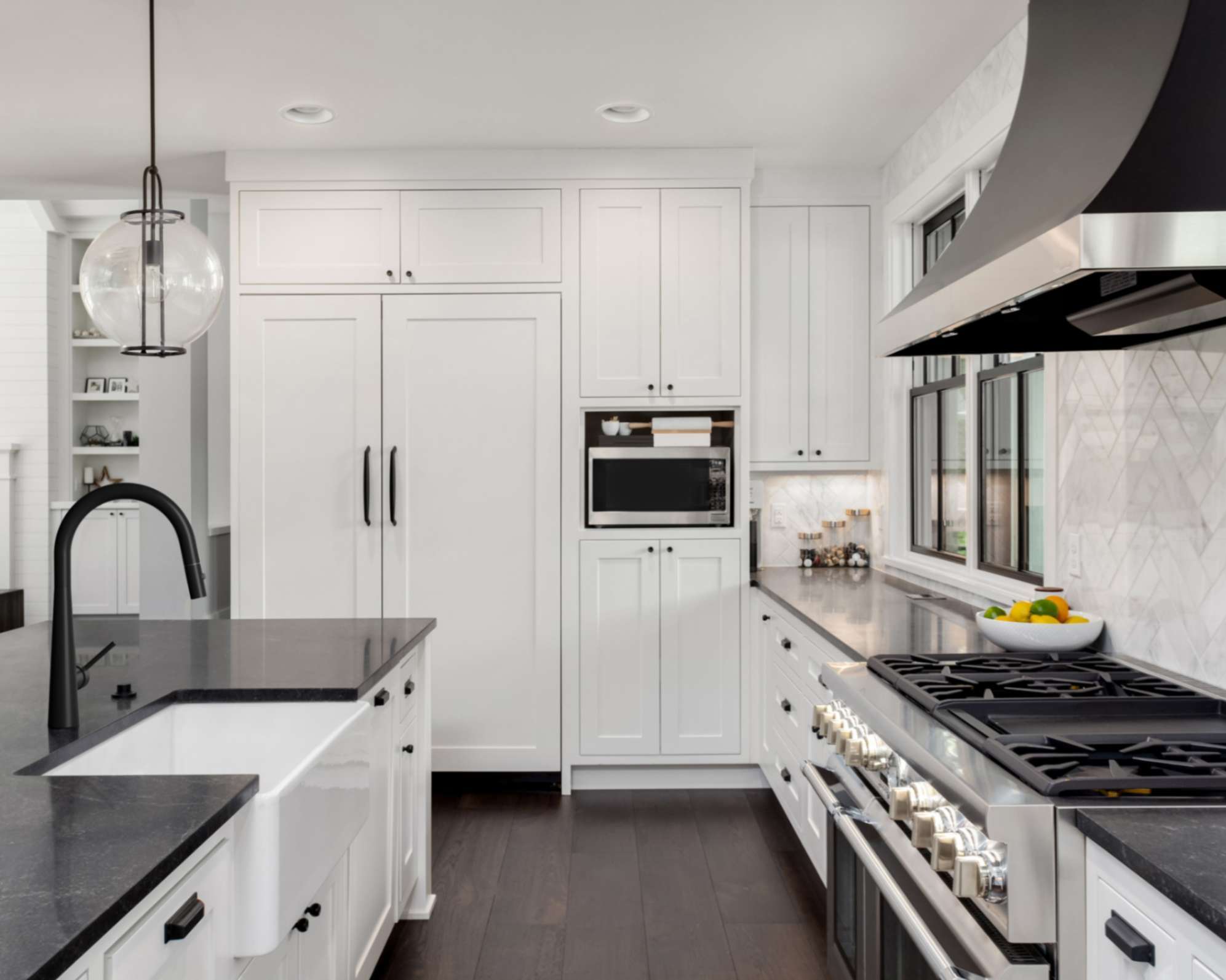
- Pick a finish that complements your kitchen’s main tones and style, such as brushed nickel for modern kitchens or oil-rubbed bronze for rustic spaces.
- This primary finish will unify your hardware throughout the space.
Step 3: Select Complementary Accent Finishes
- Choose one or two accent finishes to add variety and interest, like matte black or brass.
- Use accent finishes sparingly on specific hardware pieces, such as a few statement knobs or drawer pulls.
Step 4: Decide Which Hardware Gets Knobs and Which Gets Pulls
- Typically, pulls work best on drawers for better grip and knobs on cabinet doors for style and functionality.
- Consider mixing shapes here—for example, round knobs with sleek bar pulls—for added visual contrast.
Step 5: Mix Metals Carefully to Avoid Clashes
- Combine metals with shared undertones—warm with warm, cool with cool.
- If mixing very different metals (e.g., brass and stainless steel), balance their placement evenly across the kitchen.
Step 6: Don’t Forget Fixtures — Tapware, Lighting, and Electrical Covers
- Hardware isn’t limited to cabinets; coordinate your sink tapware, pendant lights, and even outlet covers with your mixed finishes.
- This creates a well-rounded, polished look throughout the kitchen.
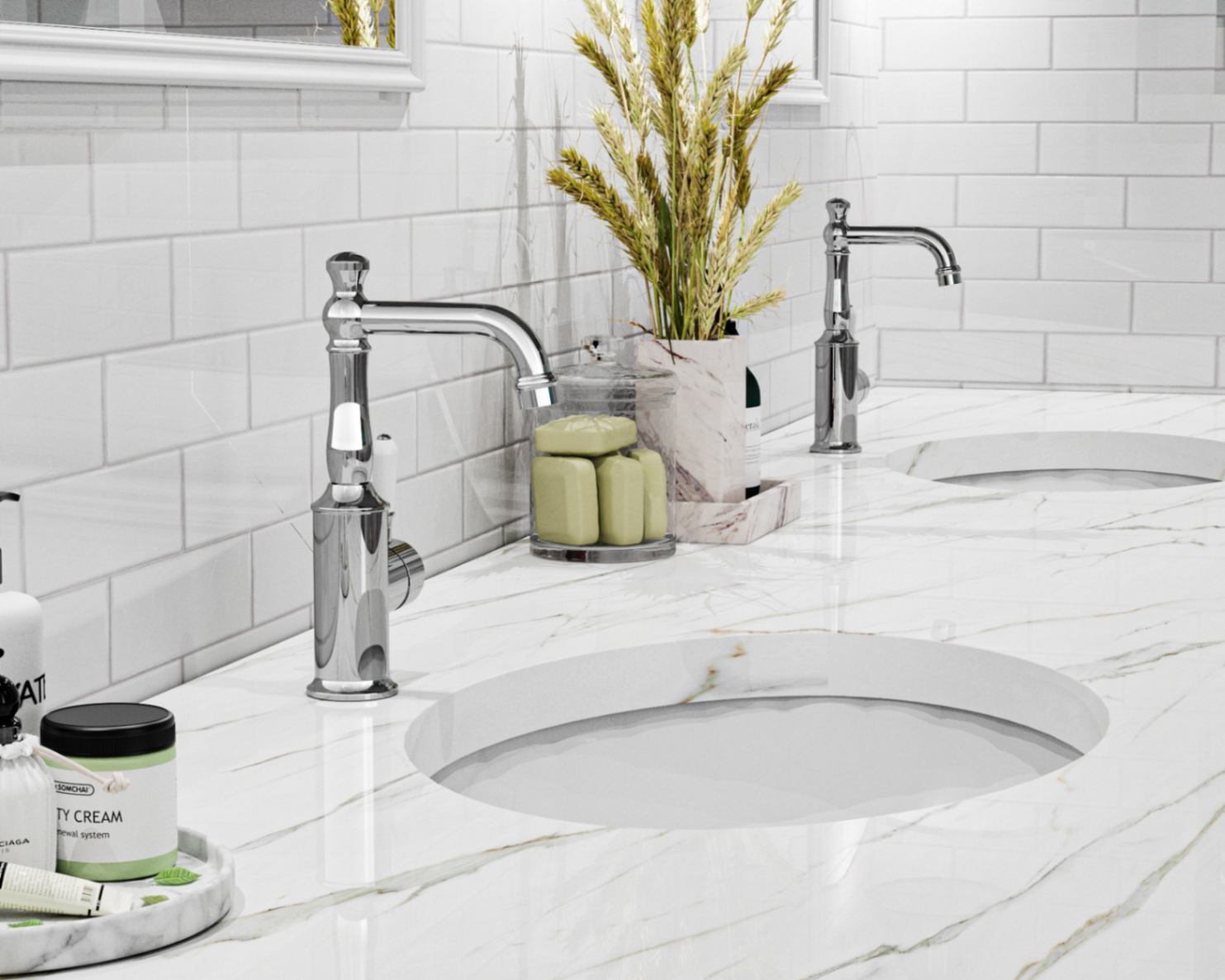
Explore Nero Tapware’s collections to find a wide range of contemporary designs—from sleek matte black and brushed gold to timeless chrome and gunmetal. Whether you're going bold or subtle, Nero offers finishes that pair beautifully with any hardware combination.
Browse Nero Tapware collections now and find the perfect finishing touch for your dream kitchen. We have over 20+ collections you can choose from like Claudia, Celia, Ecco, Dolce, and more. We also have our Progressive ranges (Opal Progressive, Kara Progressive) to suit your unique needs!
Step 7: Test and Visualize With Mood Boards or Digital Tools
- Use physical samples or digital design apps to see how your hardware choices look together before buying.
- Visualizing helps avoid costly mistakes and builds confidence in your decisions.
Step 8: Install and Review — Make Last-Minute Tweaks
- Once installed, live with your hardware for a few days to see how it feels and looks.
- Don’t hesitate to swap pieces if something feels off — flexibility is part of the process.
Also Read: Accessible Bathroom Design Guide: Safe, Stylish, and Smart Bathrooms for the Handicapped
Popular Mixing Combinations and Trends

Mixing kitchen hardware is as much about creativity as it is about rules. Below are some popular and timeless combinations that interior designers and homeowners love, along with tips on how to use them effectively:
#1. Matte Black with Brass/Gold Accents
- Matte black pulls paired with brass knobs create a striking contrast that feels modern yet warm.
- Ideal for contemporary kitchens with neutral tones or dark cabinetry.
- Use brass as accent pieces on focal drawers or upper cabinets to add a luxe touch.
#2. Brushed Nickel with Wood Knobs
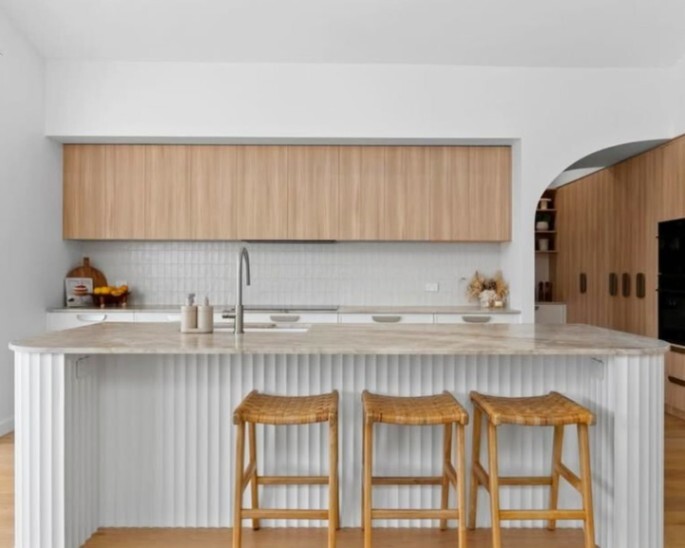
- Combines the sleekness of brushed nickel pulls with the natural warmth of wooden knobs.
- Works beautifully in transitional or farmhouse kitchens.
- Use lighter wood finishes for a subtle rustic feel, or darker woods for richer contrast.
#3. Vintage Brass Paired with Ceramic Knobs
- A classic mix that adds charm and character, perfect for traditional or vintage-inspired kitchens.
- Ceramic knobs often feature decorative patterns or colors that complement the brass pulls.
- Great for kitchens with painted cabinetry in soft hues like cream or sage.
#4. Modern Minimal Pulls with Classic Knobs
- Pair streamlined, minimal metal pulls with more detailed or ornate knobs to balance modern and traditional aesthetics.
- This blend adds personality without overwhelming the space.
- Best used in kitchens where you want a subtle touch of eclectic style.
#5. Trending Fixture Finishes to Complement Mixed Hardware
- Black or matte black tapware continue to be popular and pair well with almost all hardware finishes.
- Brass or gold light fixtures add warmth and connect with matching cabinet hardware.
- Industrial-style fixtures in gunmetal or brushed nickel harmonize with mixed metals for an edgy look.
Also Read: Minimalism vs. Maximalism: The Ultimate Design Showdown (And How to Get It Right!)
Common Mistakes to Avoid When Mixing Kitchen Hardware

While mixing kitchen hardware can yield beautiful results, certain mistakes can easily undermine your design. Keep these common errors in mind to ensure your custom look stays cohesive and stylish:
#1. Overdoing Too Many Different Finishes
- Using more than three finishes often leads to a cluttered or chaotic appearance.
- Stick to a primary finish and one or two complementary accents for balance.
#2. Ignoring Scale and Proportion
- Hardware that’s too large or too small for your cabinets disrupts visual harmony.
- Always consider cabinet size and style when selecting knob and pull dimensions.
#3. Forgetting About Functional Comfort
- Hardware must be comfortable to use daily — avoid knobs or pulls that are sharp, slippery, or awkward to grip.
- Function should never be sacrificed for style.
#4. Not Considering the Kitchen’s Lighting and Color Scheme
- Hardware finishes can look different depending on lighting conditions and surrounding colors.
- Test samples in your kitchen’s lighting before making a final decision.
#5. Skipping the Test Phase Before Installation
- Avoid buying and installing all hardware at once without trying combinations first.
- Mock-ups, mood boards, or temporary placements help visualize the end result and avoid costly regrets.
Also Read: How to Mix Metals in Home Décor: A Guide to Effortless Elegance
Expert Tips and Tricks From Interior Designers

To help you master the art of mixing kitchen hardware, we’ve gathered top tips from professional interior designers who have refined this skill over countless projects:
#1. Start Small and Build Confidence
- Begin mixing hardware in smaller areas like an island or a section of cabinets before committing to the entire kitchen.
- This trial helps you understand how different finishes and styles interact.
#2. Use Hardware to Highlight Architectural Features
- Designers often use contrasting hardware to draw attention to unique cabinetry details or focal points like glass-front doors or built-in shelves.
#3. Invest in Custom or Artisan Hardware
- Unique pieces handcrafted by artisans or custom-made hardware can elevate your kitchen’s personality and act as conversation starters.
#4. Balance Bold Choices with Neutral Elements
- If you select a standout finish like brass or matte black, balance it with neutral hardware in other areas to keep the look sophisticated.
#5. Don’t Forget Maintenance and Durability
- Choose hardware finishes that withstand your kitchen’s wear and tear—matte finishes hide fingerprints better, while polished finishes need regular cleaning.
#6. Coordinate Fixtures and Accessories
- Harmonize cabinet hardware with tapware, lighting, and even appliance finishes for a cohesive, intentional design.
#.7 Explore Online and In-Store Showrooms
- Seeing and handling hardware in person or via detailed online tools can provide clarity and spark creativity.
Also Read: