25 Scandinavian Kitchen Design Guide 2025: Inspiration, Layouts & Styling Tips

Introduction to Scandinavian Kitchen Design
There’s something undeniably soothing about a Scandinavian kitchen. Rooted in simplicity, functionality, and warmth, this design ethos evolved out of necessity—long Nordic winters meant homes needed to be inviting, well-lit, and ultra-practical. Today, that same philosophy has found its way into Australian homes, offering a perfect balance of minimalist beauty and everyday usability.
A Scandinavian kitchen isn’t just a trend—it’s a timeless aesthetic that works just as well in a city apartment in Sydney as it does in a beach house in Byron Bay. The secret lies in itsclean lines, uncluttered spaces, and focus on light, comfort, and natural materials. Whether you’re renovating or starting fresh, this guide will walk you through how to design a Scandinavian kitchen that feels airy, modern, and effortlessly liveable.
2 Core Design Principles of a Scandinavian Kitchen: Simplicity, Functionality, and Balance

Scandinavian kitchens are designed with one golden rule in mind: form follows function. Every design decision, from cabinetry to benchtop materials, is guided by the need for practicality and ease of use—without ever sacrificing visual appeal.
In Australian homes, where open-plan living is common and space varies wildly from compact city kitchens to expansive rural layouts, Scandi design offers flexible solutions that are both efficient and stylish. The goal is a space that feels calm, light, and cohesive.
Let’s unpack the two visual pillars that define this style:
#1. Minimalist Aesthetic
Scandinavian kitchens live by a less-is-more philosophy. Clutter is carefully edited out, and only essentials remain—each item thoughtfully chosen for its purpose and aesthetic contribution.
- Streamlined cabinetry: Clean lines, push-to-open doors, and seamless built-ins help maintain visual order.
- Functional styling: Even decorative items double as practical tools—think ceramic pitchers, chopping boards, or a stack of timber trays.
- Purposeful open space: Negative space isn’t wasted; it allows the kitchen to “breathe,” enhancing both function and serenity.
In Australian homes, where busy family life can often overtake visual calm, a minimalist kitchen brings clarity and a sense of everyday ease.
#2. Bright, Airy, and Open Feel
The Nordic climate—with its limited daylight—demands interiors that maximise natural light. That translates beautifully to Australia’s sunnier conditions, creating spaces that feel fresh, expansive, and welcoming.
- Light-reflecting colours and surfaces are key. White walls, light timber, and matte finishes help bounce light around the room.
- Open layouts or pass-through zones (especially in small kitchens) create flow between kitchen and living areas.
- Smart window placements or skylights boost brightness—particularly useful in heritage terraces or apartments.
Also Read: 35+ Coastal Kitchen Ideas That Bring the Beach to Your Home
2 Scandinavian Kitchen Color Palettes to Consider

Colour in a Scandinavian kitchen is never loud—but it’s never dull, either. The palette is deliberately soft, calming, and natural, helping to create a space that feels open, balanced, and timeless. It’s about finding harmony in light and tone, rather than chasing trends.
In Australian homes—where the sunlight can be intense and the seasons don’t demand the same cocooning as Nordic winters—the Scandinavian palette can be adapted to feel breezy and modern, with just the right amount of warmth.
#1. Light & Neutral Foundations
At the heart of Scandinavian kitchen design is a commitment to light, neutral tones. These hues visually expand the space and allow the texture and materials to shine.
- White-on-white: A staple in Scandi kitchens, especially with matte or satin finishes. Works beautifully in small spaces or open-plan zones.
- Soft greys and muted tones: Pale dove, greige, and cool stone shades add depth without breaking the neutral theme.
- Earth-inspired hues: Think sage green, dusty blush, and sky blue—used subtly on cabinetry or accessories for gentle visual interest.
Tip for Australian homes: warm whites and creamy neutrals work well in older Queenslanders or period-style homes, softening the Scandi look to suit local architecture.
#2. Strategic Use of Colour & Contrast
While Scandinavian kitchens are known for their calm base, a little colour goes a long way—especially when applied with intent.
- Navy or indigo cabinetry can ground the kitchen while still feeling refined—ideal for a coastal or inner-city Australian home.
- Oceanic pastels like pale aqua or soft duck egg blue nod to both Nordic lakes and Aussie beachside living.
- High contrast: Black handles or tapware against white cabinetry create crisp, modern lines without overwhelming the space.
- Dark green or charcoal accents can add a sophisticated edge when paired with timber and soft lighting.
Use colour to enhance mood and purpose—not just to follow a trend.
Also Read: The Ultimate Outdoor Kitchen Guide for Australians: DIY Tips, Designs, and Ideas
3 Natural Materials & Textures to Consider for Your Scandi Style Kitchen

What truly brings a Scandinavian kitchen to life is its deep connection to nature. Materials are chosen not just for durability, but for the tactile warmth they add to the space. This is where the style really shines in Australian homes—our lifestyle is already oriented around indoor-outdoor living, and Scandi materials align beautifully with that relaxed, earthy ethos.
#1. Wood: The Scandinavian Essential
Timber is the heart of any Scandinavian interior. It’s used for warmth, grounding, and natural elegance.
- Light-toned woods like birch, oak, or whitewashed pine are staples. They reflect light beautifully and create a soft contrast against white walls or marble surfaces.
- Australian homes can adapt this by using local alternatives like Tasmanian oak or even hazelnut timber-look laminates for a durable, budget-friendly approach.
- Reclaimed wood is another hallmark—used in benchtops, shelves, or dining furniture, adding texture and a touch of rustic charm.
Don’t be afraid to mix woods in small doses. Just stick to a consistent undertone—either all warm or all cool—for cohesion.
#2. Stone & Durable Surfaces
Scandi kitchens aren’t just about looks—they’re designed for real living. So surfaces need to be durable and stylish.
- Limestone or concrete benchtops bring a raw, modern vibe. These work especially well in contemporary or urban Aussie homes.
- Marble backsplashes are a common feature in more refined Scandinavian spaces—especially when veined subtly and paired with brushed tapware.
- Matte finishes are preferred over high gloss, as they maintain that soft, grounded feel.
The key is to mix textures in a restrained palette: think matte concrete with soft linen, or polished marble with natural timber.
#3. Organic Textiles & Accents
Scandinavian kitchens embrace tactile elements to break up all that clean geometry.
- Linen café curtains, cotton runners, and sheepskin seat pads bring in comfort without fuss.
- Rattan stools, hand-thrown ceramics, or worn leather handles offer that hand-crafted, lived-in charm.
- Textural layering is subtle: a soft throw on a bench seat, a woven placemat, or a timber bowl of fresh lemons.
These elements bring hygge—the Danish concept of cozy contentment—into your kitchen without making it cluttered.
Also Read: How to Confidently Mix Kitchen Knobs, Pulls & Fixtures for a Custom Look
2 Furniture, Fixtures & Layout Scandi Kitchen Ideas

Whether you’re working with a narrow galley in a Sydney terrace or a spacious open-plan layout in a coastal home, Scandi design brings a clever use of space and flexible furniture that suits modern Australian lifestyles.
#1. Islands, Tables & Alternative Prep Zones
The kitchen island is a Scandinavian staple—but not in the bulky, overbuilt way you sometimes see in other styles. Instead, think of it as a social and functional hub: somewhere to prep, gather, snack, or work.
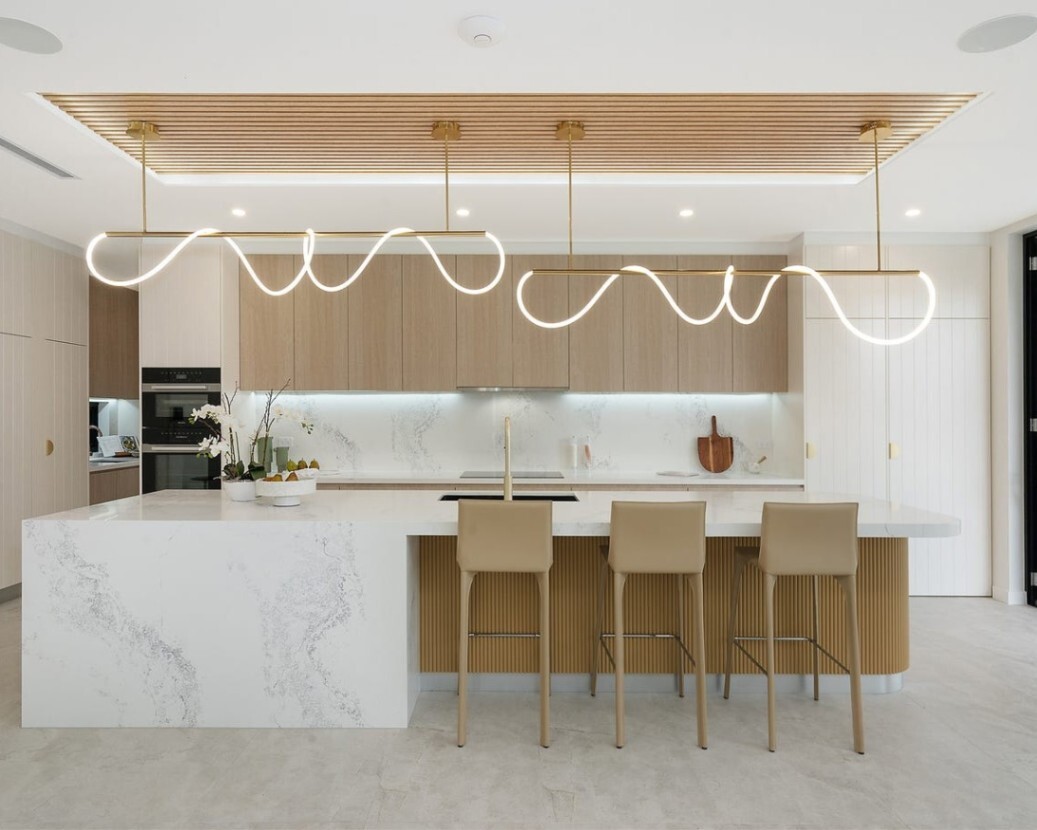
- Slimline islands with built-in storage and integrated seating suit smaller Aussie homes or apartments. Pair with timber stools and a statement pendant for instant charm.
- Multi-use kitchen tables are making a comeback—ideal for homes where you need both a workspace and a family meal zone. A simple timber trestle or extendable table keeps it versatile.
- Compact prep zones like wall-mounted fold-down benches or trolley-style islands can work wonders in urban kitchens with limited space.
Design tip: Keep the flow open. Scandinavian layouts prioritise clean sightlines and easy movement between cooking, dining, and living areas.
#2. Functional Extras & Smart Features
Scandinavian kitchens shine in the details—clever, quiet innovations that make life easier without cluttering the space.
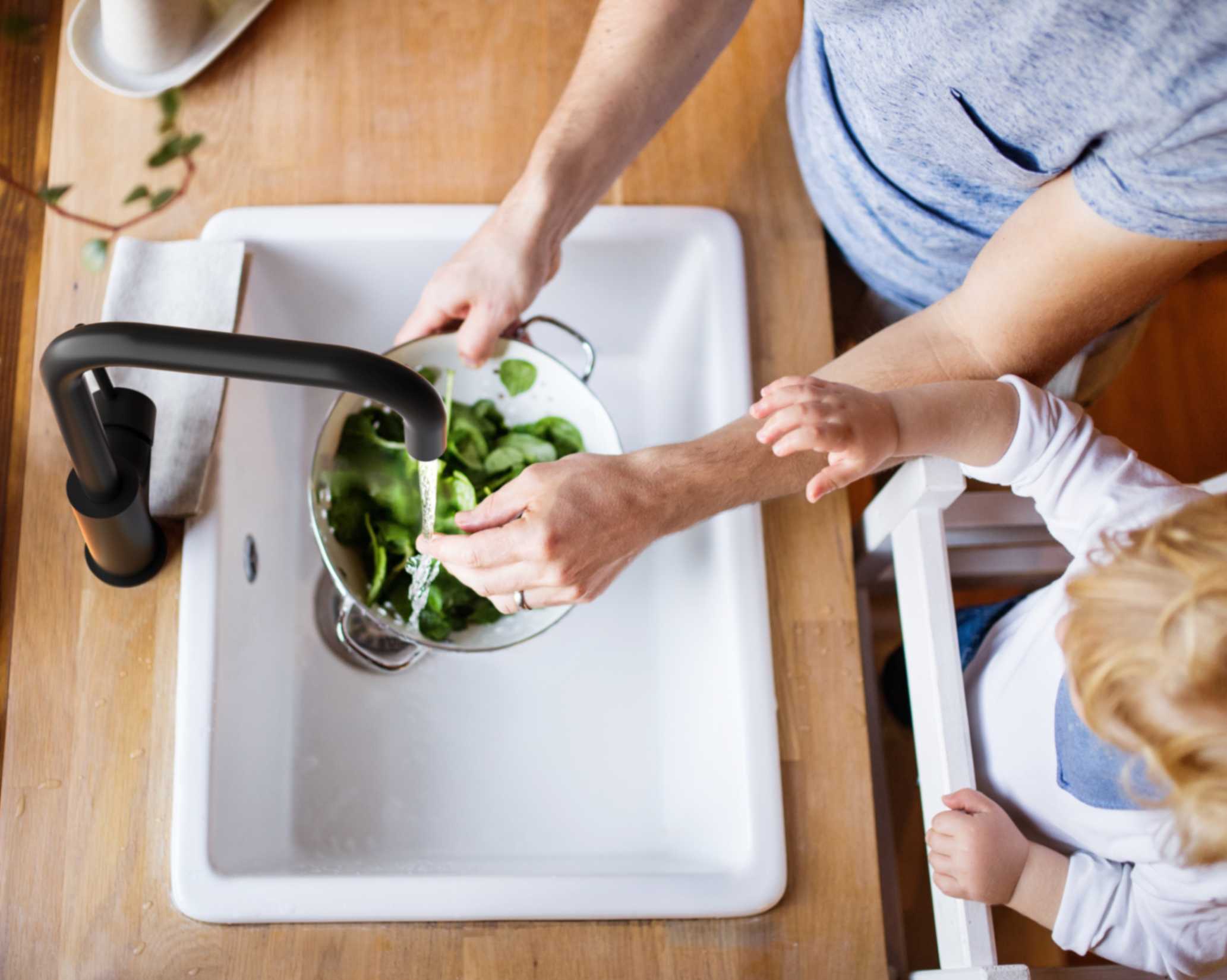
- Over-sink cutting boards or draining racks save benchtop space and make use of often-wasted zones.
- Pot racks double as design statements—perfect for hanging copper pans, ceramic mugs, or dried herbs. Practical and Pinterest-worthy.
- Fika stations (inspired by Sweden’s coffee ritual) are a growing trend. Create a designated nook with a built-in espresso machine, floating shelves for mugs, and a jar of cardamom biscuits—Scandi lifestyle meets Aussie coffee culture.
These small additions enhance daily life, which is the heart of Scandinavian design: make it beautiful, but always make it work.
Also Read: How to Create a Hamptons Style Bathroom in Australia: Coastal Elegance Meets Everyday Luxury
3 Scandinavian Kitchen Cabinetry & Storage Design

The goal? Keep visual clutter to a minimum while maximising efficiency and flow. For Australian homes, where open-plan living and multitasking kitchens are the norm, these smart storage strategies are incredibly valuable.
#1. Open Shelving Concepts
Open shelving is a defining feature in Scandinavian kitchens, but it's used with intention—not to showcase everything, just the beautiful and useful.
- Curated vignettes: Display neatly stacked ceramics, glassware, or pantry staples in uniform jars. Think form and function.
- Floating timber shelves over tiled splashbacks or above benchtops create a light, airy look—especially in smaller kitchens.
- Natural styling: Add greenery, a woven basket, or a few cookbooks to soften the space without clutter.
Tip for Aussie kitchens: open shelves near natural light make a perfect home for herbs—fresh basil, rosemary, or thyme look beautiful and serve a purpose.
#2. Built-In & Seamless Storage
Minimalism in Scandi kitchens comes from thoughtful concealment. This is where seamless cabinetry shines.
- Flat-front doors with push-to-open or recessed handles maintain a sleek, modern look.
- Integrated appliances—fridges, dishwashers, even range hoods—are hidden behind matching panels to avoid visual noise.
- Floor-to-ceiling cabinetry works especially well in newer Australian homes where vertical space is underused. Go all the way up and gain back that extra storage without breaking the clean lines.
Even in smaller kitchens, custom joinery can add extra drawers or pull-out racks without crowding the space.
#3. Vintage, Antique & Repurposed Touches
Scandi design may be modern, but it never feels sterile—thanks to vintage elements that add warmth and story.
- Antique shelving or hutches work beautifully in heritage-style Aussie homes. Painted in white, sage, or powder blue, they blend seamlessly with Scandinavian palettes.
- Repurposed furniture—like an old butcher’s block or timber dresser—can become a kitchen island or storage console.
- Unique hardware from flea markets or vintage shops adds personality to otherwise minimalist cabinetry.
These touches keep the kitchen from feeling too “new build” and add that lived-in, cozy vibe Scandinavian homes are known for.
Also Read: Open Shelving vs. Closed Cabinets: Which Is Right for Your Kitchen?
2 Tips for Designing Scandinavian Backsplashes, Walls & Ceilings

While Scandinavian kitchens lean toward simplicity, they’re never flat or boring. Much of their charm comes from the subtle use of texture—especially on vertical surfaces. These details add visual depth and tactility, enhancing the kitchen’s sense of warmth and timelessness.
In Australian homes, where natural light is abundant and ceiling heights vary, these elements can be used to amplify architectural features or add charm to newer builds.
#1. Decorative Tile Use
Tiles are an easy way to introduce pattern and texture without overwhelming the serene feel of a Scandinavian kitchen.
- Blue-and-white vintage-inspired tiles are a classic Scandi choice. Think delicate florals or geometric motifs—perfect for a splashback behind the stove or sink.
- Subway tiles in a matte finish, laid vertically or in a chevron pattern, create texture while keeping the look clean and modern.
- Handmade or artisanal tiles with imperfect edges give a tactile quality that softens sleek cabinetry.
Tip: In Australian kitchens, consider using these tiles behind a timber shelf or open cabinetry—framing the texture in a functional vignette.
#2. Texture on Walls & Ceilings
Walls and ceilings in Scandinavian kitchens are rarely plain white voids. Texture is added with subtle materials that nod to rustic Nordic cottages and Danish design studios.
- Shiplap paneling is a go-to for adding warmth and dimension, especially in coastal or farmhouse-style homes. It works beautifully on walls or the underside of an island bench.
- Slatted timber ceilings or feature walls bring rhythm to the space. Opt for light woods to keep the area feeling airy.
- Limewash or textured paint finishes offer a soft, natural alternative to glossy paints—perfect for older homes or spaces needing character.
These elements are ideal in Australian homes where open-plan layouts can sometimes feel a bit stark—texture helps break up flat expanses and makes the kitchen feel more grounded and welcoming.
Also Read: 27 Stunning Bathroom Tile Ideas to Transform Your Space in 2025
2 Scandinavian Kitchen Lighting and Atmosphere Tips

In Scandinavian design, lighting is everything. Born from a region where daylight is scarce for much of the year, the Nordic approach to lighting is deeply intentional—layered, warm, and mood-enhancing. That ethos fits seamlessly into Australian homes, where we enjoy abundant natural light and can still benefit from cozy, low-glow evenings.
#1. Natural Light Emphasis: Your Primary Source
In true Scandinavian fashion, natural light is the hero. The more of it, the better.
- Large windows with minimal dressings let sunlight flood in—floor-to-ceiling glass is ideal for open-plan Aussie homes.
- Skylights over work zones or islands are perfect for kitchens tucked in the middle of a home or under a pitched roof.
- Café curtains or sheer Roman blinds offer just enough softness without blocking the view or the sun.
- Reflective surfaces—like light timber, satin cabinetry, or honed stone—bounce light across the space and reduce the need for daytime artificial lighting.
In Australia’s sunnier climate, you can afford to play with deeper accents knowing your space won’t feel dark—so maximise daylight and let your materials glow.
#2. Soft, Cozy Artificial Interior Lighting for Function and Style
When the sun goes down, Scandinavian kitchens come into their own with layered, ambient lighting. The goal is to create a warm, intimate atmosphere—without any harsh glares.
- Pendant lights in natural materials like wood, linen, or matte ceramic make beautiful focal points over islands or tables.
- Soft-glow LED strips under cabinetry or open shelves provide gentle task lighting and add depth.
- Recessed downlights or slimline spotlights keep the ceiling clean and bright without distracting from the design.
- Warm-toned bulbs (around 2700K) are key—avoid cool white lighting, which can make the space feel clinical.
Also Read: 40+ Bathroom Lighting Ideas: Expert Guide for Stylish & Functional Bathroom Illumination
Comfort and Culture: Embracing Hygge With These 3 Tips

At its core, Scandinavian design isn’t just about how a space looks—it’s about how it feels. Hygge(pronounced “hoo-gah”) is a Danish concept that loosely translates to a sense of coziness, connection, and contentment. It’s about creating moments of calm and warmth in everyday life.
In Australian kitchens—where we often entertain, work, and unwind all in the same open-plan zone—hygge makes perfect sense. It’s the glue that binds Scandinavian minimalism with homely comfort.
#1. Cozy Textiles and Layered Warmth
Minimal doesn’t mean cold. Scandinavian kitchens are made inviting with soft layers and tactile materials.
- Sheepskin throws draped over stools or built-in bench seats offer instant warmth.
- Linen tea towels, woven placemats, and cotton runners add texture without clutter.
- Soft rugs or underfoot mats in natural fibres work especially well in larger kitchens or around breakfast nooks.
#2. Inviting Seating and Social Zones
In Scandi homes, the kitchen is a gathering place—not just for food prep, but for connecting.
- Built-in banquettes or window seats offer relaxed zones for morning coffee or lazy lunches.
- Stools around the island encourage casual chats during cooking or after school snacks.
- Round dining tables feel intimate and friendly—perfect for creating connection without formal structure.
#3. Dedicated Spaces for Ritual and Rest
Ritual is a key part of hygge. Scandinavian kitchens often include small zones set aside for daily moments of pleasure.
- A Fika corner: Whether it’s a nook with a barista-style coffee machine or a timber shelf stocked with mugs, tea, and biscuits—create a ritual space just for you.
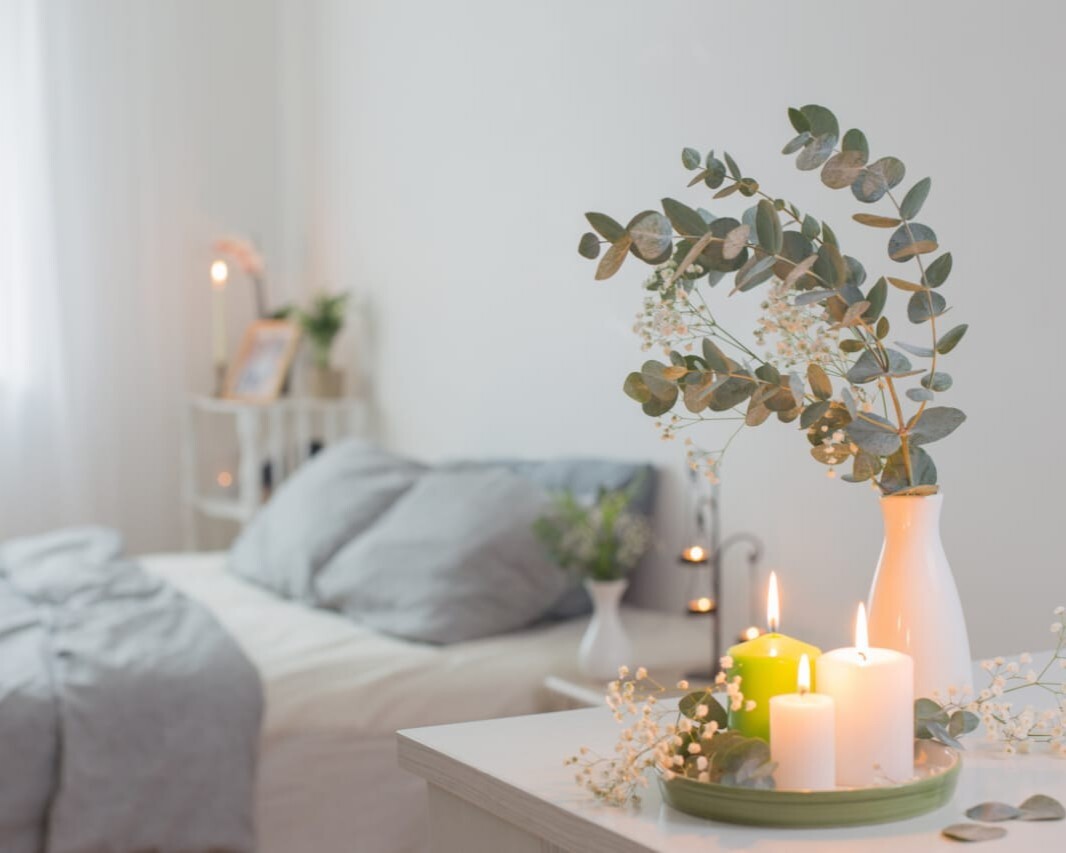
- Soft lighting: Use a candle, a small table lamp, or even fairy lights to make certain areas feel extra cozy in the evenings.
- Seasonal styling: A bowl of citrus in summer, or branches in a vase in winter—Scandi kitchens embrace the changing year with subtle nods, not overdone décor.
This cultural element is what makes Scandinavian kitchens feel alive. It’s about small joys, every day.
Also Read: 25+ Ways to Save Water: Practical Tips for Your Kitchen, Bathroom, Laundy Room, and Garden!
6 Inspirational Styles and Themes to Try for Your Scandinavian Style Kitchen

Here are some of the most on-trend (and timeless) interpretations of Scandinavian kitchens for 2025:
#1. Farmhouse Scandinavian
A warm blend of country comfort and Nordic simplicity.
- Exposed rustic beams and timber-framed windows
- Vintage wood tables, farmhouse sinks, and open shelves
- Ideal for regional or semi-rural Australian homes wanting a homestead feel with modern restraint
Extra Reading: Introducing the Scandinavian Barn Look
#2. Modern Scandinavian
The cleanest, most pared-back version of the style.
- Flat-front cabinetry, integrated appliances, and monochrome palettes
- Contrasting textures like matte black tapware with warm oak
- Perfect for new builds or urban apartments looking for sleek, low-fuss elegance
#3. Mid-Century + Scandi Fusion
A nod to retro design lovers.
- Danish furniture, retro lighting, and pops of mustard or rust
- Curved forms, warm walnut tones, and playful minimalism
- A great match for renovated mid-century Aussie homes or eclectic spaces
#4. Eclectic Scandinavian
A softer, more personal take on the aesthetic.
- Mixed materials like rattan, brass, and coloured tiles
- Open shelving filled with personality—handmade ceramics, books, art
- Ideal for creatives or families who want beauty and character
#5. English Country Crossover
Where Scandi restraint meets British charm.
- Pastel cabinetry, butcher blocks, and vintage hardware
- Think soft blush, sage green, and powder blue—especially suited to cottages or Federation homes
- Keeps the simplicity of Scandinavian style, but adds whimsy
#6. Moody Nordic Luxe
For those who love drama with balance.
- Dark marble benchtops, charcoal cabinetry, and slatted timber ceilings
- Brass lighting, smoky glass, and tactile matte finishes
- Ideal for modern, architecturally designed homes with high ceilings or bold architecture
Also Read: Accessible Bathroom Design Guide: Safe, Stylish, and Smart Bathrooms for the Handicapped
Complete Your Scandinavian Design Aesthetic with Nero Tapware’s Minimalist Tapware Collections
Tapware might seem minor—but in a Scandinavian kitchen, it's everything. Sleek, well-crafted taps perfectly echo Scandi values of simplicity, functionality, and timeless style. Nero Tapware, a trusted Australian brand, complements Scandi kitchens through several standout collections:
Want to find out more about our other bathroom tapware collections that you might be interested in? Reach out to us so we can help you find the right fit for your scandi kitchen!