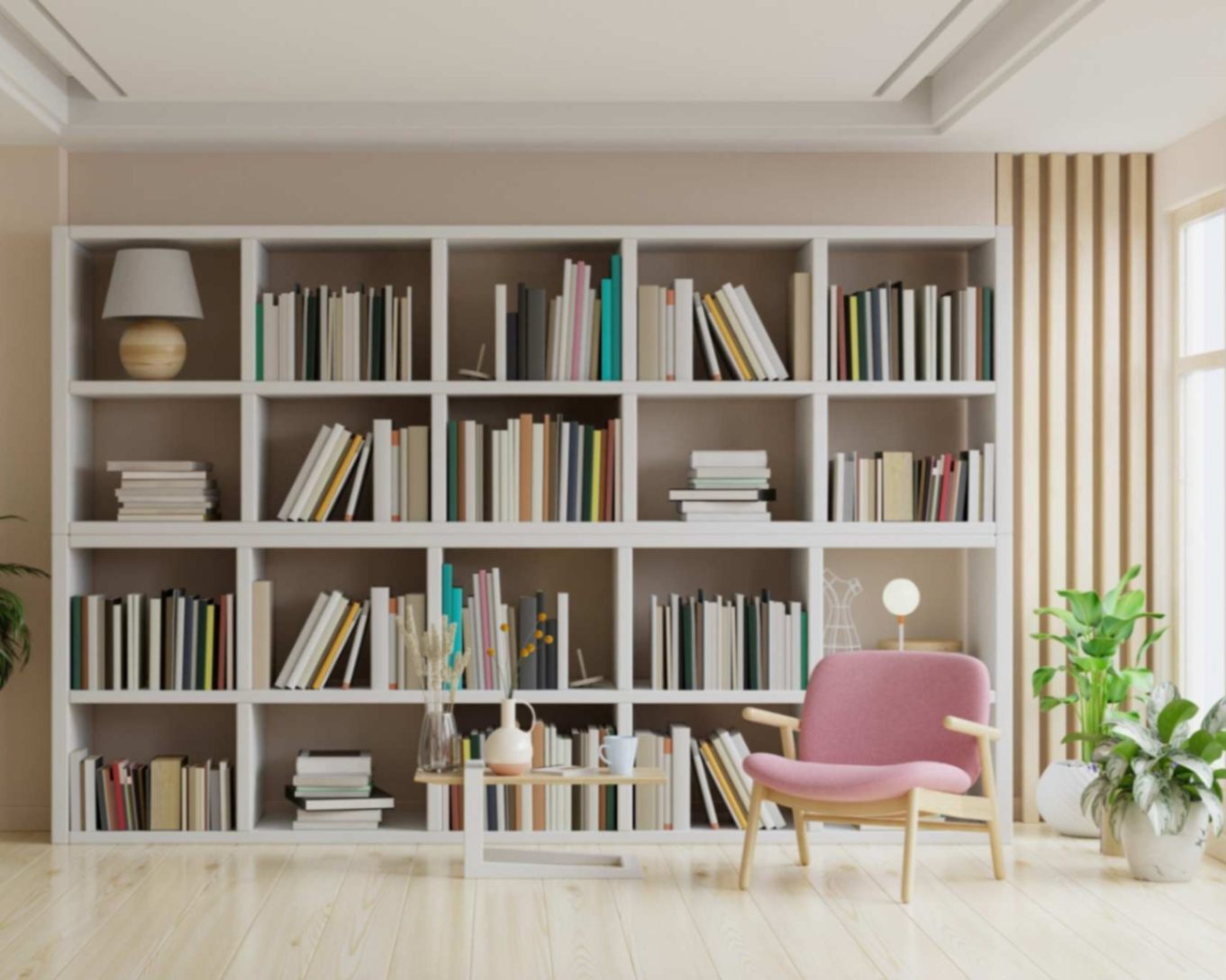
The Ultimate Home Library & Reading Office Design Blueprint: Create a Personalized Reading Haven

Photo by Vanit Janthra
A Complete Step-by-Step Guide to Creating a Beautiful, Functional, and Personalised Reading Space
Designing a home library is more than just installing shelves and stacking books — it’s about curating a sanctuary for focus, creativity, and calm. Whether you’re after small home library ideas to maximise a spare nook, or planning a home office library that blends productivity with personality, the goal is to build a space that feels uniquely yours.
Australia’s diverse home styles — from inner-city apartments to coastal retreats and heritage Queenslanders — offer endless opportunities to reimagine your reading environment. Let’s walk through a practical, step-by-step approach that balances comfort, aesthetics, and function.
Quick-Action Checklist for Building Your Dream Home Library
A Proven 10-Step Process to Design, Build, and Personalise Your Library
- Define your purpose and mood.
- Measure space and map functional zones.
- Choose shelving type — built-in, modular, or floating.
- Plan layered lighting (ambient, task, accent).
- Select furniture for comfort and proportion.
- Establish a cohesive colour and material palette.
- Add décor and sensory elements.
- Focus on ergonomics and relaxation.
- Schedule maintenance and dusting routines.
- Personalise it — display what matters most to you.
3 Foundational Principles: How to Plan the Perfect Home Library or Reading Office

Photo by alvarez
1. Clarify Your Purpose & Design Vision
Define the Function, Feel, and Identity of Your Reading Sanctuary
Before you measure walls or choose shelving, take time to define why you’re building your library. Is it a reading sanctuary, a study workspace, or a cosy family retreat where everyone can unwind with a good book? Each purpose influences the layout, materials, and mood you create.
- Hybrid adaptability: Many Australian homeowners now prefer library home ideas that blend with other uses — think library + home office or guest room + study. This makes every square metre earn its keep.
- Atmosphere goals: If you want a creative nook, aim for warm lighting, tactile finishes, and an intimate scale. If you’d rather have a social space, choose flexible seating and open shelving to invite conversation.
- Personal identity: Use décor to tell your story. Display heirlooms, travel finds, or vintage maps — these inject character and authenticity.
- Long-term flexibility: Design shelving with room to grow. Adjustable shelves, modular units, or a mix of open and closed storage make future changes easy.
Pro tip: For coastal homes, opt for lighter timbers like Tasmanian oak or bamboo. For urban interiors, dark walnut or matte-black metal framing adds sophistication.
2. Assess & Map Your Space Strategically
Turn Any Room, Nook, or Corner Into a Functional Library Layout
Not every home has a spare room, but almost any corner can be transformed into a reading escape. The key is strategic mapping.
Step 1. Survey your space – Note natural light sources, wall space, ceiling height, and electrical points. North-facing walls in Australia receive consistent light, ideal for reading areas.
Step 2. Choose your location type:
- A dedicated room or converted spare bedroom offers privacy.
- An under-stair nook is perfect for compact small home library ideas.
- A landing or hallway can host a wall of books with slimline shelves.
- A bedroom or living room corner can easily double as a quiet reading retreat.
Step 3. Use vertical potential: Go floor-to-ceiling if possible. High shelves draw the eye upward, expanding the sense of space. Above-door storage or perimeter shelving adds volume without clutter.
Step 4. Integrate ergonomics: Consider posture and comfort. The chair height, reading distance, and lighting angle should reduce strain during long reading or work sessions.
Expert tip: When positioning shelving near windows, allow at least 15 cm clearance from glass to prevent UV damage to your book spines. UV-resistant film from Australian suppliers can also help preserve materials.
3. Core Design Foundations That Make Every Library Work
Balance Beauty, Function, Comfort, and Cohesion in Your Space
A stunning library merges form and function effortlessly. Here’s how:
- Form + function: Choose furniture that serves multiple roles — a storage ottoman for hidden clutter or a desk that doubles as a display console.
- Layer comfort:Blend natural textures — linen, wool, and rattan — for tactile warmth. Add cushions, throws, and adjustable lighting for an inviting mood.
- Functional zoning: Define reading, working, and relaxing areas clearly. Even in smaller rooms, use rugs or lighting shifts to create subtle divisions.
- Architectural integration: Work with what’s already there. Alcoves, fireplaces, and beams add natural rhythm — build shelving that frames rather than hides these details.
- Plan lighting early: Combine ambient (ceiling or wall sconces), task (desk or floor lamps), and accent (LED strip) lighting. A layered lighting plan reduces glare and enhances ambience.
Pro tip: Choose warm white bulbs (2700–3000 K) for reading comfort. LEDs last longer and emit less heat — a must in Australian summers.
Also Read: [GUIDE] Dopamine Decor & Interior Design Tips to Boost Your Mood
14 Smart Layout & Zoning Ideas for Every Type of Home Library
Maximise Space Efficiency and Create Purposeful Reading Zones

Photo by Bulgac
4 Primary Zones for your Home Library
Designing a successful home library means defining zones that support both relaxation and focus.
1. Reading Zone
Choose comfortable seating — an armchair with lumbar support or a deep window seat. Position lighting to the side, not behind, your reading spot. Keep a small side table for your cuppa or reading glasses.
2. Work Zone
For home office library ideas, place your desk either in front of a window (for natural light) or against a bookshelf (for a professional video-call backdrop). Invest in ergonomic seating and good task lighting.
3. Storage Zone
Use built-ins or modular systems. Adjustable shelving lets you mix books, décor, and office supplies. For rental homes, freestanding bookcases or IKEA-style modular cubes can mimic custom joinery affordably.
4. Relaxation/Social Zone
Include a loveseat, daybed, or pair of armchairs facing each other. Add soft ambient lighting with floor lamps or a dimmable pendant.
Pro tip: Leave at least 900 mm of circulation space between furniture pieces — this ensures easy movement and meets general accessibility recommendations.
5 Space-Saving Layout Strategies for Large and Small Rooms
From Compact Corners to Grand Studies — Design That Flows Naturally
Small spaces benefit from smart visual and structural tricks:
- Define zones with texture: A rug under your reading chair visually anchors the area without needing walls.
- Use verticality: Floor-to-ceiling shelving draws the eye up and provides generous storage in tight rooms.
- Opt for floating shelves: Great for apartments or smaller studies; they give a sense of openness.
- Try wrap-around shelving: Ideal for large rooms; creates an immersive “book cocoon” feeling.
- Room dividers: Use backless bookshelves to separate living and working areas while allowing light through.
Expert insight: Light-reflective finishes like satin whites and pale timbers visually expand small interiors while maintaining warmth.
5 Multi-Functional Library Ideas That Double Your Space
Transform Bedrooms, Dining Rooms, and Offices Into Reading Havens
In today’s Australian homes, flexibility is key. Multi-purpose rooms let you make the most of every square metre.
1. Home Office + Library
Combine focus and creativity by integrating shelving around your desk. The books act as sound absorption and provide an inspiring backdrop. For hybrid workers, consider concealed storage for office supplies to maintain a tidy aesthetic.
Pro tip: Use cable grommets and built-in power points to keep cords out of sight — a clean setup improves focus and reduces visual clutter.
2. Bedroom Library
Perfect for slow mornings or late-night readers. Frame your bed with shelving or create a window-seat reading nook with drawers below. Keep lighting soft — wall sconces with dimmers are ideal.
Also Read: Master Bedroom Ideas: 60 Expert Tips for Style, Comfort & Function
3. Dining Room Library
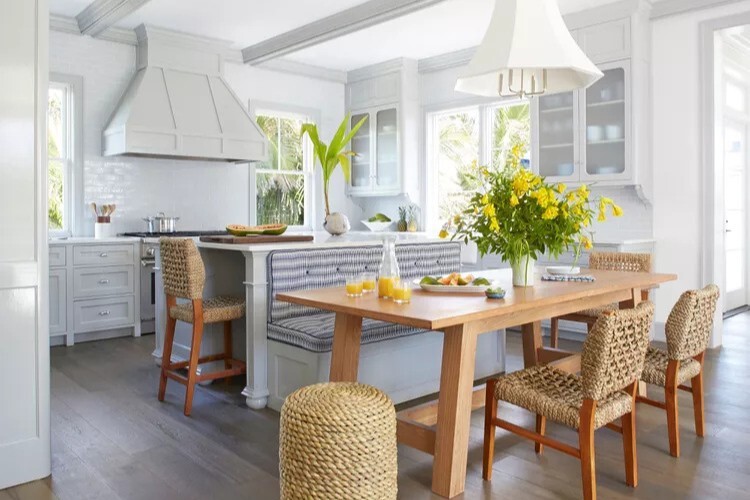
A growing trend among Australian homeowners is the dining-library hybrid. Built-in shelving around the dining table adds elegance and functionality. It’s perfect for entertaining — books add warmth and talking points.
4. Family Library
Encourage reading habits early by designing a shared family library. Low shelves make books accessible for children; soft rugs define the play zone. Ensure tall units are anchored securely — compliant with Australian Consumer Law safety standards.
5. Hidden Libraries
For something truly special, consider a concealed library behind a pivoting panel or sliding door. These secret sanctuaries add a sense of magic and privacy, perfect for collectors or avid readers.
Also Read:[Guide] Calming Colors in Interior Design: Expert Design Tips to Create Peaceful, Stylish Homes
4 Home Library Shelving Solutions: Stylish, Space-Saving, and Smart Storage Ideas for Book Lovers

Photo by Eoneren
Creating the perfect home library isn’t just about the books — it’s about how you showcase them. Whether you’re working with a compact nook or a spacious reading retreat, the right shelving brings both form and function.
1. Built-In Bookshelves That Transform Walls
Built-in shelving instantly elevates your space, blending seamlessly into the home’s architecture. Opt for a mix of open and closed storage — glass-front cabinets to display prized editions and concealed cupboards for clutter or office supplies. Consider soft backlighting or brass hardware for a warm, sophisticated glow.
2. Modular & Freestanding Units for Adaptable Design
If you’re renting or working with limited space, modular shelving systems are the go-to solution. Freestanding ladder shelves or floating wall units make it easy to adapt your design as your book collection grows. For added character, repurpose vintage cabinets or barrister bookcases — they add instant charm to any home library setup.
3. Unique Storage Ideas That Add Personality
A great home library idea doesn’t just store books — it tells a story. Add architectural character through arched or curved shelving, or build a wrap-around feature wall for immersive symmetry.
If you’re after something playful, integrate hidden compartments behind panels or under built-in seating for clever storage. Cube and track shelving systems offer flexibility with adjustable heights, ideal for displaying art alongside books.
4. Space-Saving Hacks for Small Libraries
For small home library ideas, the secret lies in thinking vertically. Install shelving along stairwells, above doors, or under windows for tucked-away storage. Hallways can double as slim reading corridors with floor-to-ceiling shelves.
Glossy finishes or mirrored back panels can also make narrow rooms feel taller and more spacious.
Australian Insight: In older Federation and weatherboard homes, hallway shelving adds function without compromising heritage detailing. Always check wall load-bearing capacity before installation — your local builder or council can advise on compliance.
Also Read:[GUIDE] Biophilic Design: Nature-Inspired Architecture That Elevates Mood, Health & Sustainability
3 Lighting Design Ideas for Home Libraries: How to Create the Perfect Reading Glow

Photo by onurdongel
Lighting is what turns a good reading nook into a truly inspiring retreat. The best library home ideas combine ambient, task, and accent lighting to balance practicality and atmosphere.
1. Mastering Layered Lighting
Every home library benefits from three essential lighting layers:
- Ambient: General lighting from chandeliers, recessed fittings, or ceiling pendants that sets the tone.
- Task: Adjustable lamps, sconces, or floor lights directed where you read or write.
- Accent: Under-shelf LEDs or picture lights that highlight art, texture, and architectural detail.
2. Matching Lighting Styles to Your Aesthetic
Lighting fixtures should feel like part of your overall design story. Pair brass or matte-black fittings with traditional or Hamptons-style libraries, and industrial iron or textured linen shades for contemporary looks.
Natural light remains the most flattering. Combine daylight with sheer curtains or plantation shutters to reduce glare while keeping the space bright.
Expert Advice: Always consider Australian sun exposure — northern-facing rooms may need UV-resistant window films to prevent fading of book covers and timber finishes.
3. Lighting for Ambience and Eye Comfort
Lighting should soothe the eyes as much as it inspires. Aim for soft, warm tones (around 2700K–3000K) to create a cosy reading atmosphere. Layering multiple light sources avoids harsh contrast and gives your space that soft “glow” found in boutique bookshops.
For colour-drenched rooms, consider painting walls and shelving in similar tones — it enhances immersion and makes the space feel cocooned.
Also Read: 40+ Bathroom Lighting Ideas | Ultimate Guide to Beautiful & Functional Bathroom Lighting
3 Colour, Texture & Atmosphere Ideas: Setting the Perfect Home Library Mood

Photo by onurdongel
A home library is as much about feeling as function. The right colour palette, materials, and textures create emotional harmony — whether you want a calm retreat or a bold creative hub.
Mood-Based Colour Palettes That Transform a Room
Here are tried-and-tested palettes to guide your design choices:
| Mood | Palette | Design Notes |
| Cozy & Intimate | Deep reds, burgundy, navy | Layer plush fabrics and dim light for warmth. |
| Calm & Focused | Sage, sky blue, soft grey | Use natural fabrics and simple lines to promote focus. |
| Playful & Creative | Mustard, coral, teal | Mix patterns and textures for an eclectic energy. |
| Elegant & Luxe | Navy, gold, ivory | Pair metallic accents with structured furniture. |
| Modern Minimal | Monochrome, white & oak | Keep lines clean and add concealed storage. |
Designer Tip: Always test your chosen colours under both natural and artificial light. Australian daylight can dramatically shift undertones.
Layering Textures for Depth and Comfort
Texture adds soul to your library. Combine timber shelving, velvet upholstery, and metal accents for tactile richness. Add woven rugs or linen drapes to absorb sound and enhance acoustics — an often-overlooked aspect in reading rooms.
For a grounding effect, incorporate natural materials such as stone, rattan, or wool. They soften modern interiors and balance digital workspaces.
Decorative Harmony & Styling Flow
Your library styling should tell a visual story. Integrate artwork or framed quotes between shelves to personalise your space. For depth, paint the backs of shelves or use textured wallpaper — a subtle designer trick that draws the eye inward.
Mix eras and materials: an heirloom desk beside a minimalist chair creates that layered, lived-in charm Australians love.
Pro Tip: Aim for a 60-30-10 balance — 60% dominant tone (walls), 30% secondary tone (furniture), 10% accent (decor). It’s a classic rule interior stylists swear by.
Also Read: How to Add Texture to Your Home: The Ultimate Guide
5 Home Library Design Styles Explained: From Classic to Modern & Beyond
Find Your Aesthetic — and Learn How to Recreate It With Ease

Photo by KatarzynaBialasiewicz
Designing your library is as much about self-expression as it is about practicality. Whether you’re drawn to rich timber and heritage charm or light Scandinavian calm, these home library ideas will help you discover a look that feels distinctly you.
1. Classic & Traditional Library Design Ideas
Warm Woods, Leather Chairs, and Timeless Study Vibes
A classic library never goes out of style.
- Think dark timber shelving — Tasmanian oak or walnut for a quintessentially Australian twist — paired with leather reading chairs, wainscoting, and brass light fittings.
- Deep tones such as forest green, navy, and oxblood lend warmth and depth to your reading nook.
- For décor, integrate antique desks, a vintage globe, or a framed heritage map.
2. Modern & Minimalist Library Concepts
Sleek, Serene, and Sophisticated Spaces for Contemporary Homes
Minimalism thrives on simplicity.
- Floating shelves, a neutral colour palette, and clean-lined furniture make for an effortlessly modern home library.
- Choose open surfaces and hidden storage to reduce visual clutter and keep focus on your favourite books or art pieces.
- If your space doubles as a home office library, opt for integrated shelving systems with cable management.
- Sculptural pendant lighting or a geometric rug can serve as subtle focal points without overwhelming the calm.
3. Scandinavian & Nature-Inspired Reading Rooms
Light, Airy, and Organic Designs That Embrace Simplicity
Inspired by Nordic design, Scandinavian aesthetic favours pale timber, soft whites, and organic textures. It’s ideal for bright Australian homes where natural light pours in.
- Layer soft fabrics like linen or cotton with wool throws for a lived-in warmth.
- Add potted greenery — fiddle leaf figs or trailing devil’s ivy — for a sense of calm.
- Stone, ceramic, or rattan accessories further ground the space in nature.
This is one of the most adaptable library ideas for home — it suits both coastal and suburban settings and works beautifully with open-plan living.
4. Eclectic & Maximalist Reading Sanctuaries
Bold Colour, Art, and Texture for the Fearlessly Creative
If you’re exploring library home ideas that reflect your personality, don’t shy away from bold expression. A bit of “perfect imperfection” gives this look its charm.
- Combine bold wall colours — think deep teal, burnt orange, or mustard — with layered textures, patterned rugs, and mismatched furniture.
- Arrange books by colour or theme for visual rhythm, and intersperse travel souvenirs, framed prints, or ceramics for character..
5. Industrial & Urban Contemporary Styles
Metal, Brick, and Minimal Lines for a Modern Loft Library Look
If your home features high ceilings or open-plan architecture, industrial design may be your perfect match.
- Exposed brick, metal shelving, and reclaimed wood combine for an urban yet grounded aesthetic.
- Balance the cool materials with plush seating — velvet armchairs or oversized cushions — to maintain comfort. Track lighting or hanging pendants add drama while enhancing readability.
Also Read: [GUIDE] Modern Mediterranean Interior Design for Australian Homes
Home Library Furniture & Comfort Essentials for the Ultimate Reading Experience
Choose Pieces That Support Relaxation, Productivity, and Aesthetics

Photo by Liudmila Chernetska
A well-designed library isn’t just about books — it’s about how the space feels when you sit down to read, think, or dream.
Must-Have Furniture for Every Home Library
- Start with a reading chair that supports posture without sacrificing comfort.
- Add a sofa or daybed for lounging sessions, and include ottomans or side tables with hidden storage to keep clutter at bay.
Designing for Comfort and Coziness
- Start with a large rug (preferably wool or jute), then add cushions and throws in natural fibres.
- Heavy drapes not only add visual weight but help with sound and temperature control, vital for concentration.
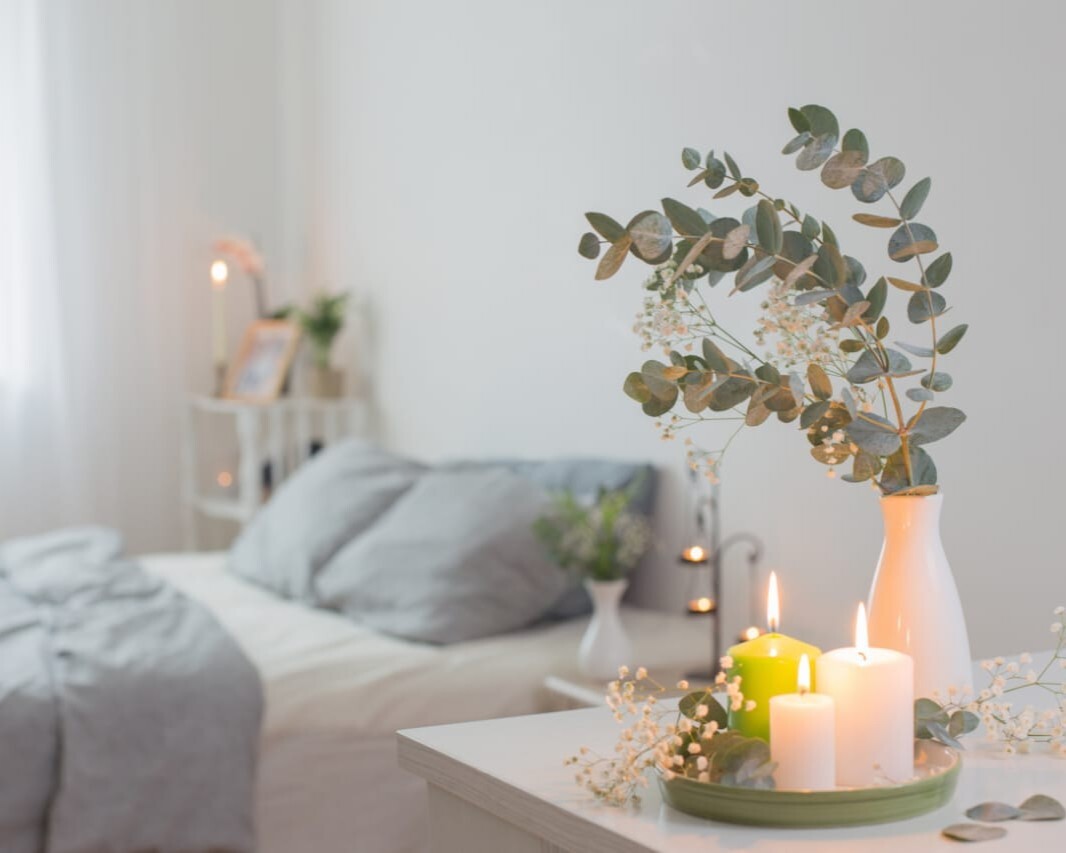
- Aromatherapy diffusers with sandalwood or cedar can add subtle warmth, while a curated playlist or soft ambient music enhances focus.
Also Read:
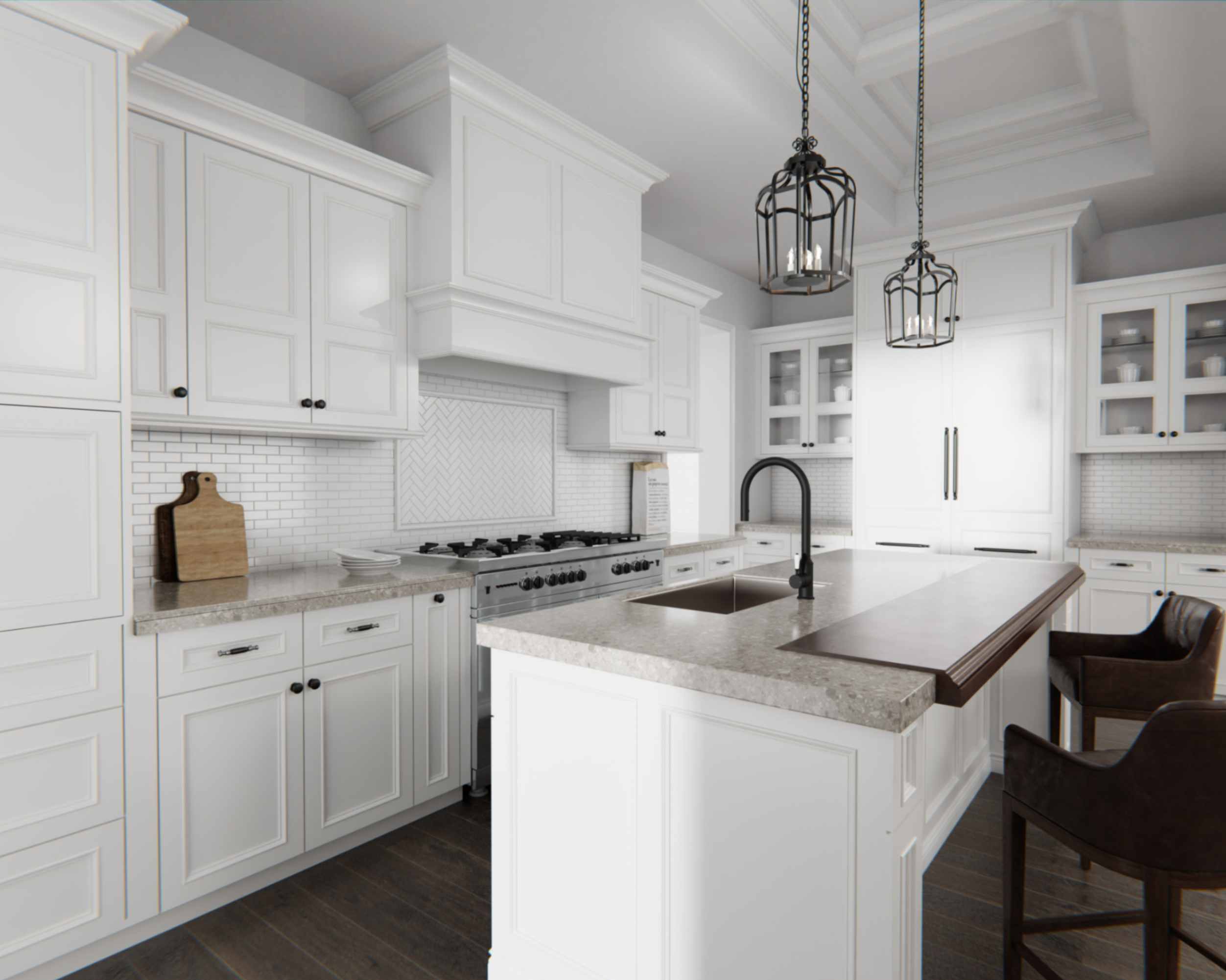
- How to Choose Tapware for Kitchen & Bathroom | Smart, Stylish & Sustainable Living
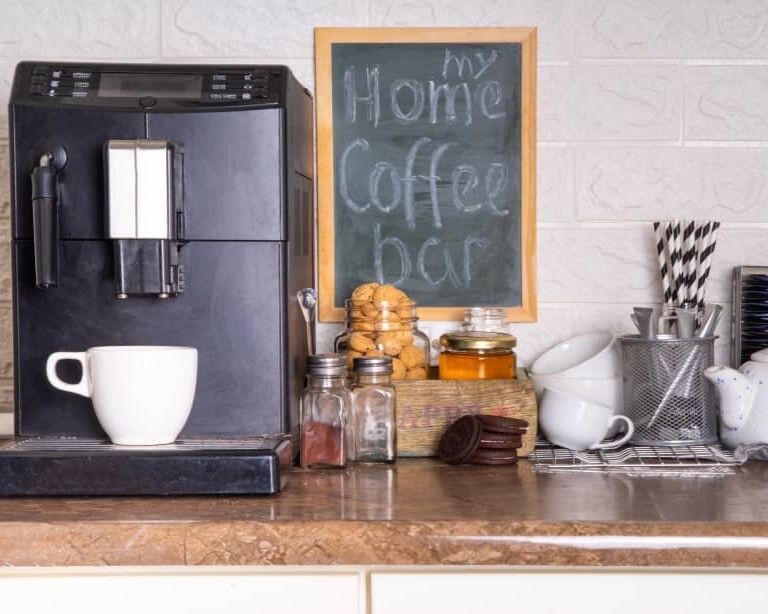
- 45 Home Coffee Bar Ideas for All Budgets, Room Sizes, & Aesthetics
- A Comprehensive Guide to Barndominiums: Cost & Construction
Next Steps: How to Use Nero Tapware Aesthetics in Your Home Library

Nero Tapware is synonymous with timeless luxury and precision engineering. Our collections—such as Serenity, Mecca, Zen, and Pure—are designed for those who value architectural detail and artisan finishes. While primarily created for kitchens and bathrooms, their premium materials and sculptural forms can elevate adjacent or integrated spaces within your home library design.
1. Integrated Wet Bar or Beverage Station
- Add a discreet bar or tea station for convenience and style.
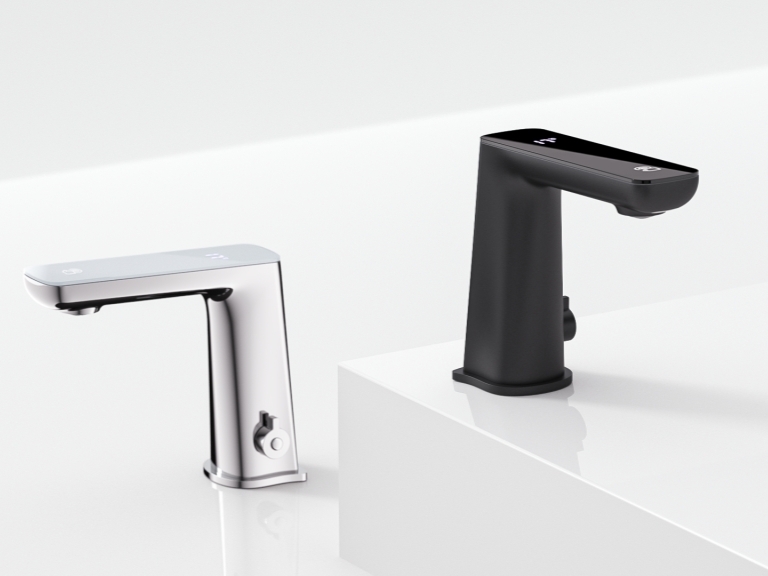
- Choose a Nero mixer tap finish that matches your palette:
- Matte Black – moody, modern look
- Brushed Nickel – light, Scandinavian tone
- Brushed Gold / Gunmetal – pairs with timber, dark cabinetry, or stone
- Creates a refined, hospitality-inspired feature within the library.
2. Seamless Design Continuity
- Extend the same Nero finish into adjoining spaces (e.g., powder room, living area).
- Use Brushed Nickel or Matte Black fixtures from collections like Serenity or Opalfor a unified design flow.
3. Architectural Accent Through Material Harmony
- Select Nero PVD finishes—Brushed Bronze, Aged Brass, Graphite—to echo classic library textures (leather, brass, walnut).
- Reinforces craftsmanship and visual harmony across surfaces and joinery.
4. Bespoke Joinery and Design Detailing
- Draw inspiration from Nero’s sculptural forms and refined proportions.
- Reflect these in custom handles, lighting trims, or desk hardware.
- Achieves a cohesive, luxurious design language throughout the library.
By echoing Nero’s finishes, geometries, and material integrity in your library scheme, you give the impression of a well-curated, design-cohesive home.